
Classical Music Makes You Smarter so Here’s Where to Start…

Classical Music Makes You Smarter so Here’s Where to Start…
…If You’re Feeling Patriotic
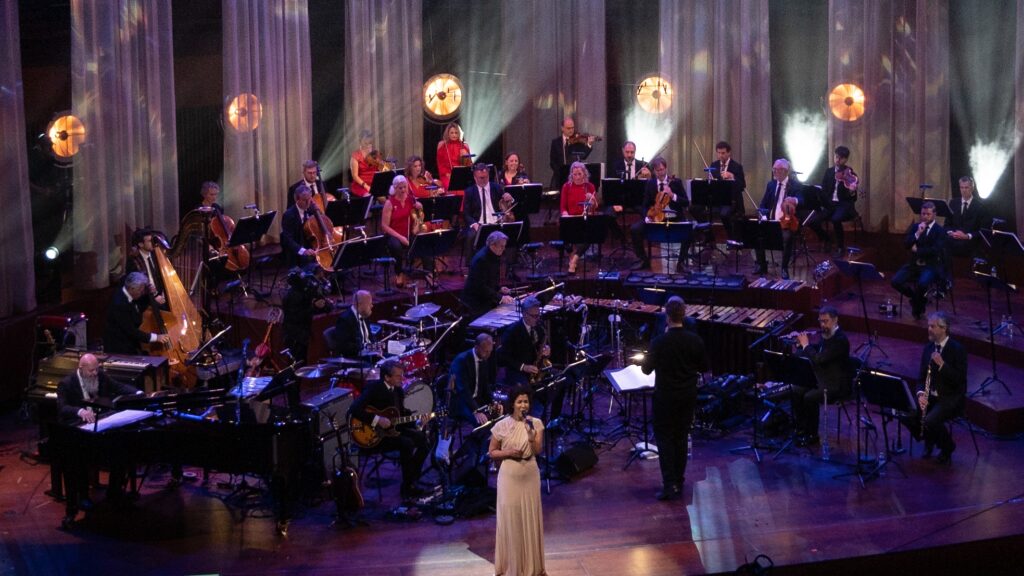
Film music is one of the most powerful ways to understand power, patriotism and poetry. Classic Hollywood composers borrowed melody and harmony from opera, ballet, late Romantic symphonies, jazz, and European concert traditions. That’s how they created movies with musical language that connected audiences to story. A swelling string section might suggest romance. Brass could signal danger, courage, or triumph. A bold theme turns a character into a legend. Many concerts and shows present orchestral music that is part of the history of the American imagination. Classical music is not background decoration, but emotional architecture that creates memory, heroism, adventure, and myth. And that makes the listener smarter.
Suggested Concert: Hollywood Gala: The Golden Age of Music
…If You Want Something Family-Friendly
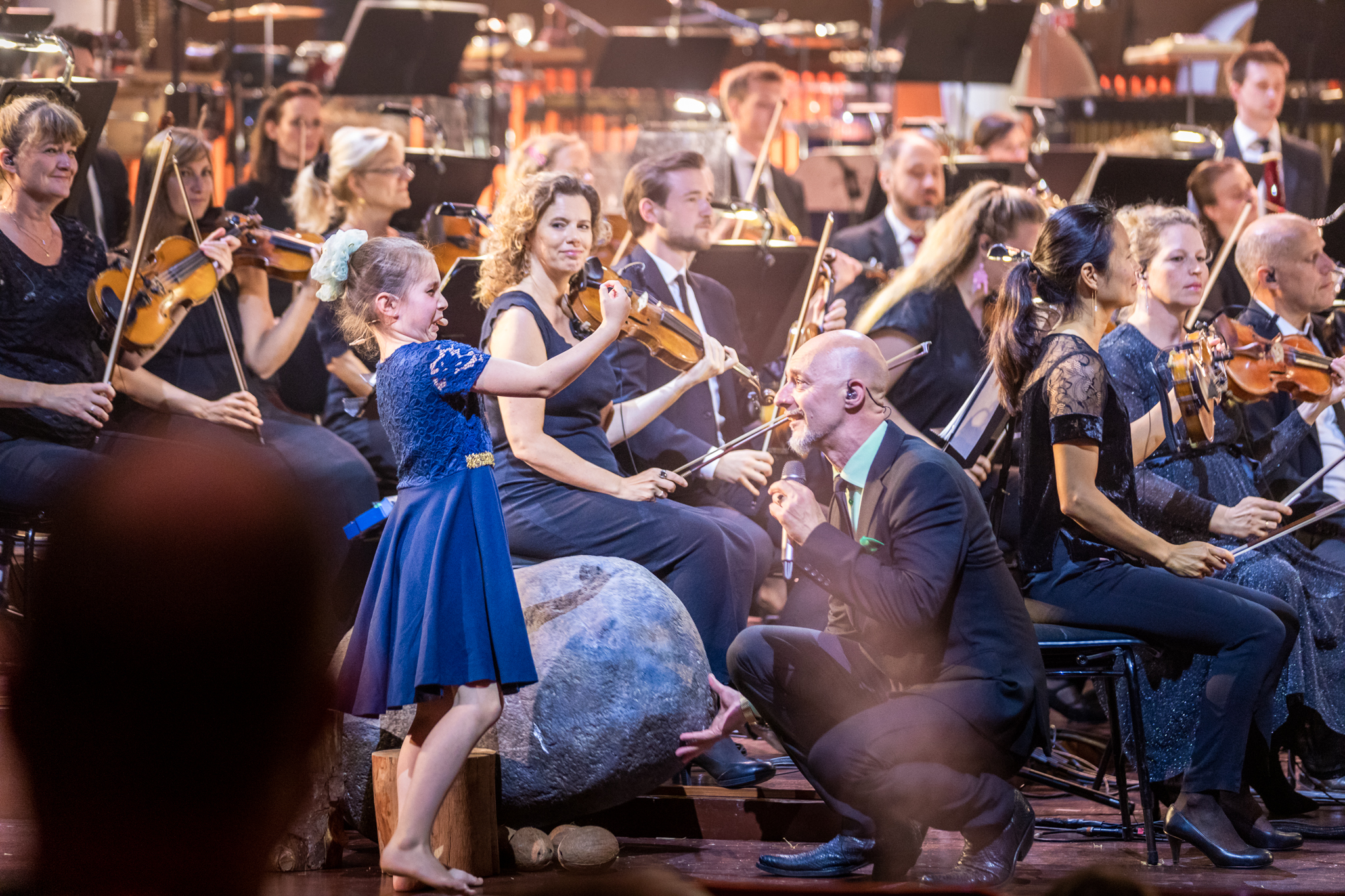
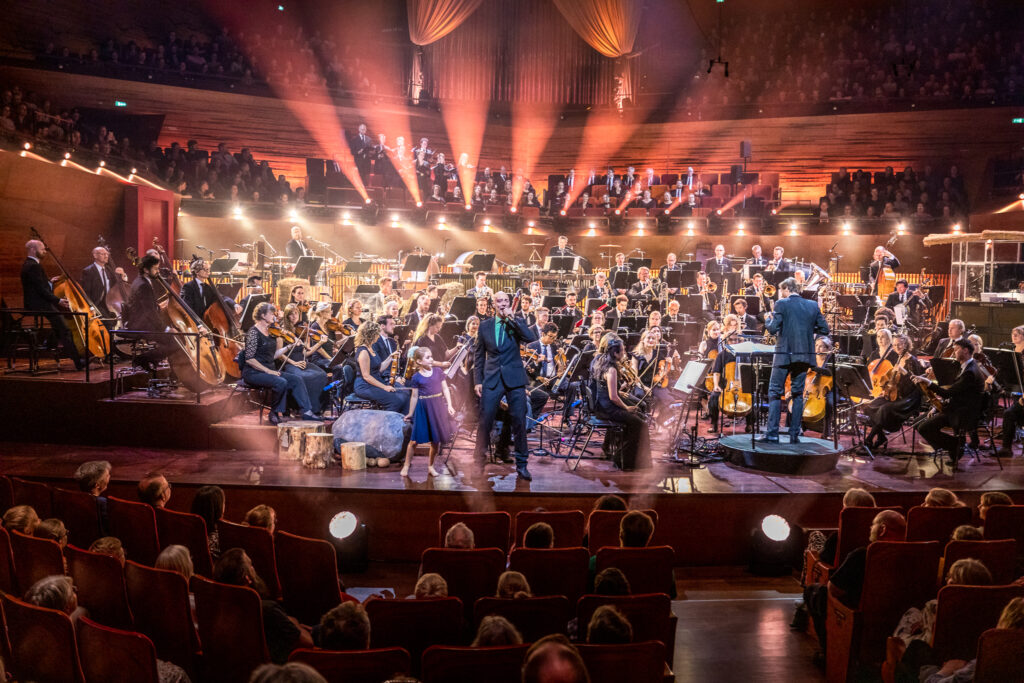
One of the smartest ways into classical music is through cartoons. For generations, animation has introduced children to the orchestra long before they knew famous composers like Rossini, Wagner, Strauss, or Liszt. The reason cartoons empower classical compositions is neurological as much as musical: cartoons connect sound to movement, rhythm to action, and melody to character. A chase scene teaches tempo. A pratfall teaches timing. A villain’s entrance teaches orchestration. Animation helps the ear understand what the orchestra is doing before the brain has to explain what is happening. Classical music does not have to begin with seriousness. It can begin with laughter, recognition, and the simple pleasure of hearing an orchestra think in pictures.
Suggested Concert: Cartoons in Concert
…If you Want Laughter and Comedy
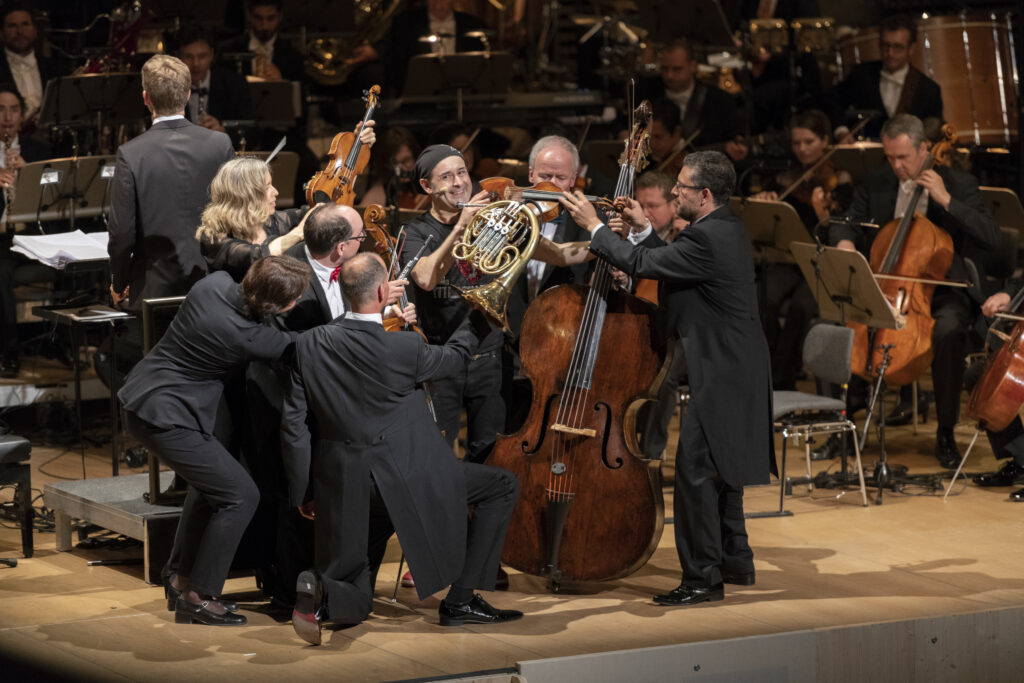
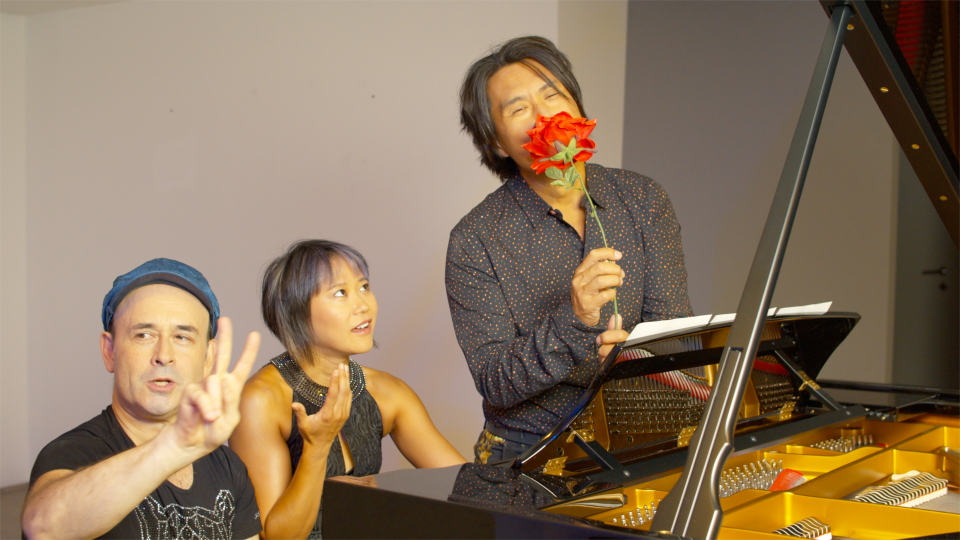
Comedy is one of the cleverest ways to enjoy classical music without thinking too deeply. Comedic timing is proof we can understand pacing without being a musical genius. Igudesman & Joo are an iconic pianist/violinist duo who use virtuosity, parody, timing, and physical humor to reveal the inner workings of performance. Like Victor Borge in the 1940’s, modern day musical comedians capture the rituals of the concert hall, the seriousness of musical tradition, and the absurdity that can exist inside perfection. Igudesman & Joo create comedy that works because the musicianship is real. Every joke depends on the precision of a missed cue, a twisted quotation, a sudden stylistic turn and that makes the audience listen actively. With humor, classical music becomes no less serious, but far more intelligent and theatrical, and that makes smarter humans.
Suggested concert: Joyful Variations with Igudesman & Joo
…If You Want Vocal Fireworks
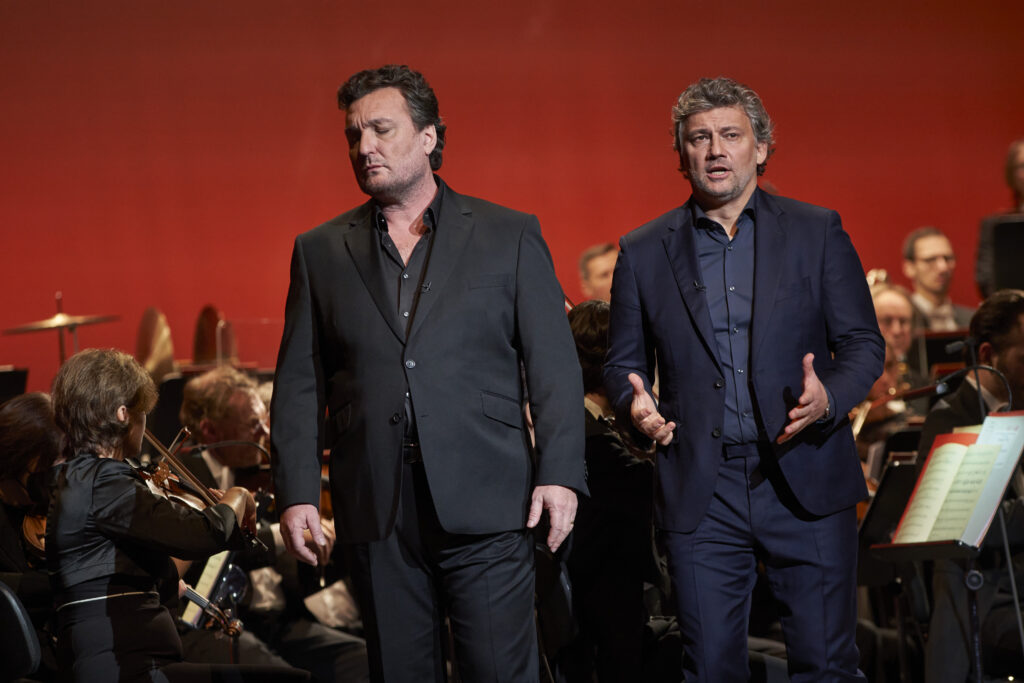
Start with the human voice:
Opera asks us to listen for drama, beauty and character. A single phrase can reveal so many emotions. Maybe pride, longing, grief, seduction, rivalry, or restraint.
The human voice is a magnetic sound that dives into classical music. It begins with something everyone understands; breath, language and emotion. Then it evolves into something grand. Opera is not just singing at scale. It is melody that is thinking through character. It asks us to listen for story, beauty, motive, vulnerability, pride, seduction, grief, restraint, or power. A musical phrase can tell us that a character is commanding the room, hiding pain, pleading for love, or losing control.
That is why opera is a workout for the mind as much as the heart. The listener has to follow several kinds of intelligence at once: the emotional intelligence of the story, the linguistic intelligence of words and phrasing, the musical intelligence of melody and harmony, and the dramatic intelligence of watching relationships change in real time. The orchestra may tell us what a character cannot admit. A pause may say more than a speech. A change in color, tempo, or vocal intensity can expose an entire inner life.
In The Two Tenors, Jonas Kaufmann and Ludovic Tézier show that vocal brilliance is about turning music into story. Their singing reminds us that opera trains the ear to hear nuance. It is easy to notice how emotion is built, controlled, released, and transformed. Watch this when you want classical music that sharpens your mind and deepens your sense of empathy. In The Two Tenors, Jonas Kaufmann and Ludovic Tézier show that vocal brilliance is not just about volume or high notes. It is about intelligence: shaping a line, coloring a word, holding tension, and turning music into magic.
Suggested Concert: The Two Tenors: Jonas Kaufmann and Ludovic Tézier
…If You‘re Feeling Fearless

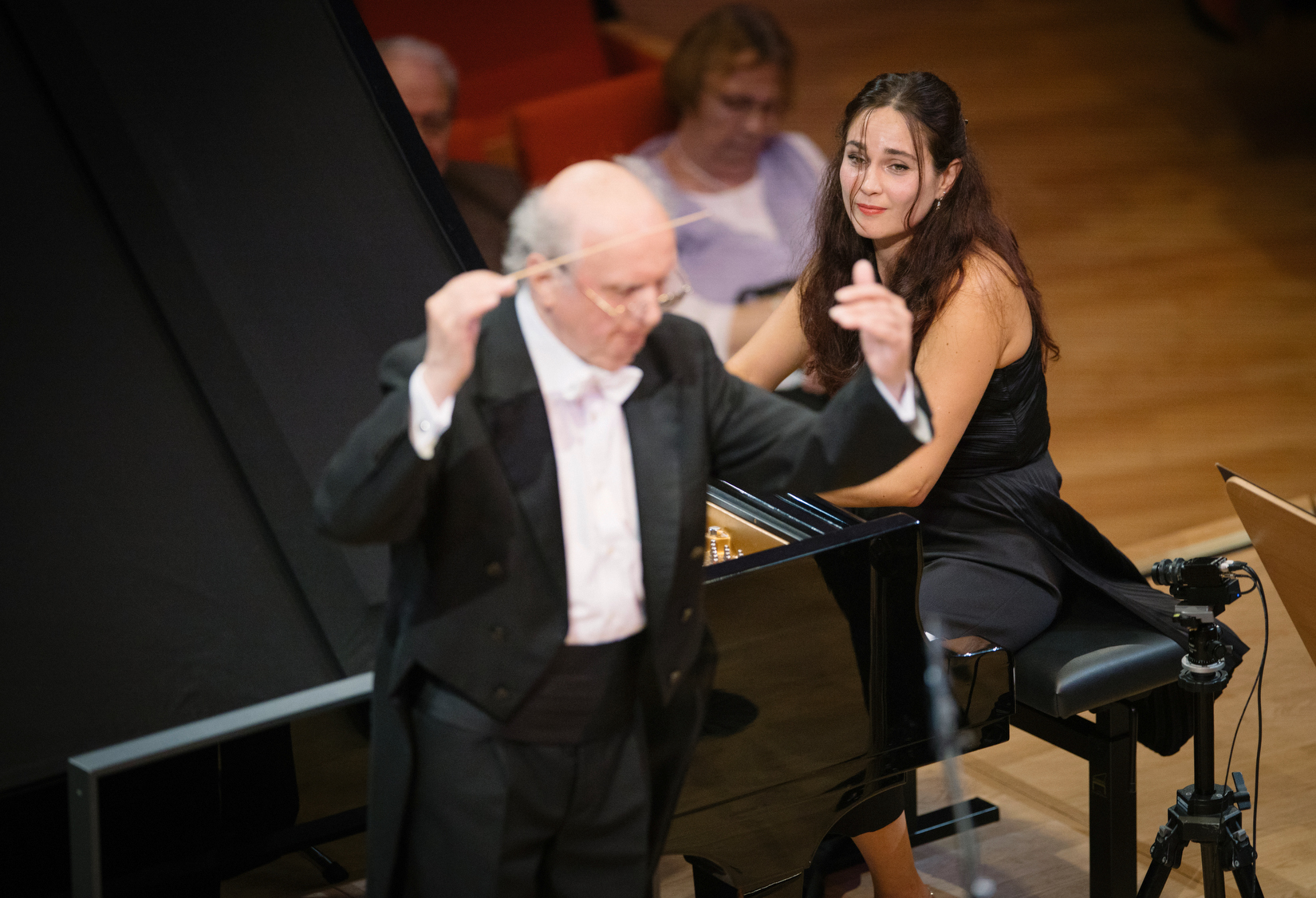
Romantic music asks the brain to follow more than melody. It asks us to hear tension, release, impulse, memory, and risk. Often all at once. In A Romantic Duo, Martha Argerich and Guy Braunstein bring that world to life with a performance that is daring, instinctive, and emotionally charged. Argerich plays with her unmistakable fire: brilliant, volatile, and alive to every sudden turn in the music. Braunstein meets her with equal intensity, shaping the violin as conversation and challenge. Together, they make Romantic music fearless, not fragile. This is how the audience is carried to a high-wire act of feeling and intelligence. Watching Argerich wakes up the nervous system and shows us that classical performance can be bold, dramatic, and real. Just like the best dreams of our imagination. Classical music makes us smarter.
Suggested Concert: Martha Argerich and Guy Braunstein – A Romantic Duo
.