
Rachmaninoff Revisited: The Composer Reshaping the Concert Experience

Rachmaninoff Revisited: The Composer Reshaping the Concert Experience
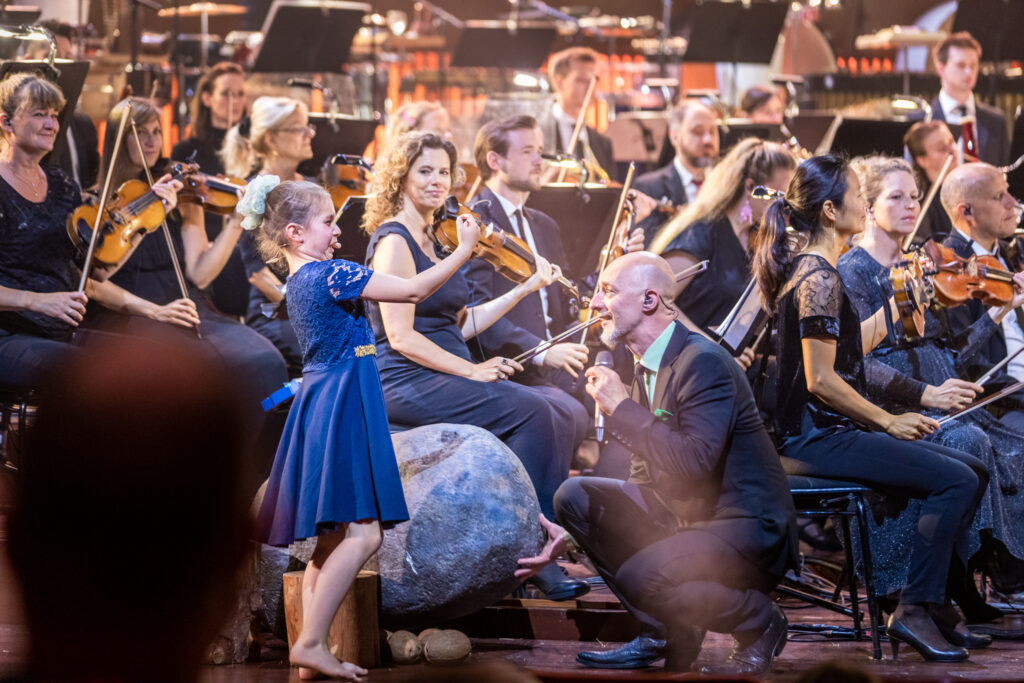
Classical music isn’t fading. The renewed popularity of Sergei Rachmaninoff is a powerful example of how the art form is evolving. Romantic composers would be fascinated to see the classical arts scaling beyond elite venues. A growing share of new listeners encounter classical music through TikTok and streaming platforms, becoming lifelong fans. For decades, the narrative around classical music has been one of decline, aging audiences, rigid traditions, and shrinking relevance. The reality now looks very different.
The New Audience for Classical Music
There is a massive audience for the classical arts and they enjoy a curated experience rather than the olden day limitations of a live, one-time event. This has created a new, unifying, non-politicized space where an eclectic breadth of performances is filmed, edited, and ultimately enjoyed indefinitely. The lifespan of our greatest composers has been extended as new ways of packaging the classical arts continue to evolve.
That shift has changed the rules. In a digital landscape driven by immediacy and emotional impact, not all composers translate equally. But Sergei Rachmaninoff is the perfect fit. His sweeping, melodic compositions are unapologetically intense and expressive, requiring no explanation. They resonate instantly and are inherently cinematic. Rachmaninoff will survive the passing of time.
International Rachmaninoff Competition – the Fastest Growing
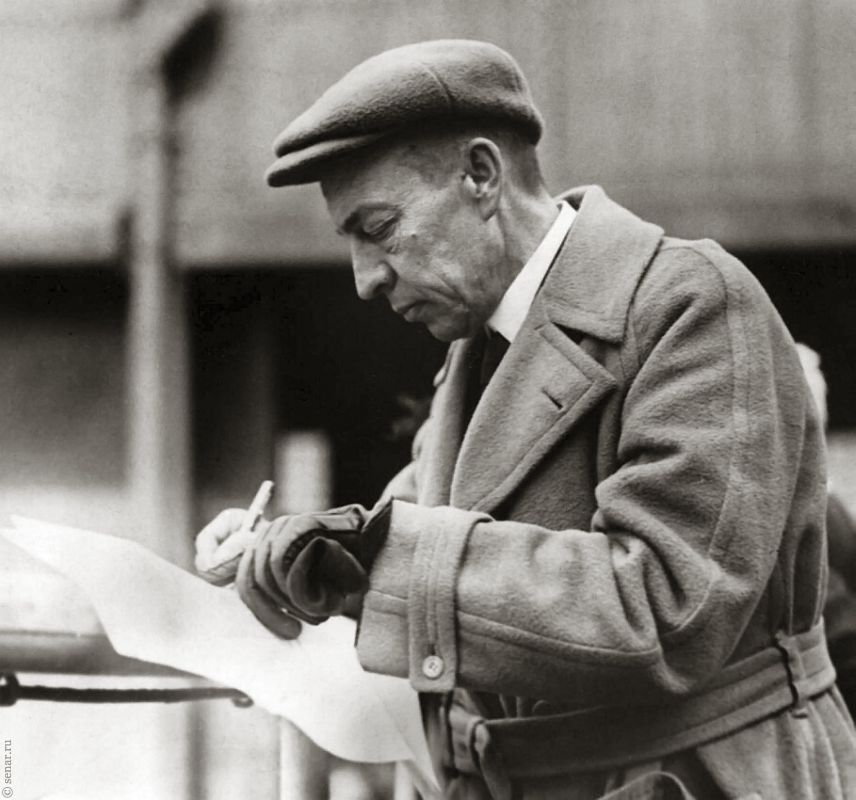
The scale of Rachmaninoff’s resurgence is difficult to ignore. The International Rachmaninoff Competition now draws more than 10 million viewers across over 70 countries, while his Piano Concerto No. 2 remains one of the most performed and widely recognized works in the repertoire. Long before the streaming era, filmmakers understood this instinctively. From Brief Encounter to Shine, Rachmaninoff’s music has functioned as cinema’s emotional infrastructure, carrying narrative without words and translating effortlessly to the screen.
Rachmaninoff Revisited – From Concert Hall to Screen
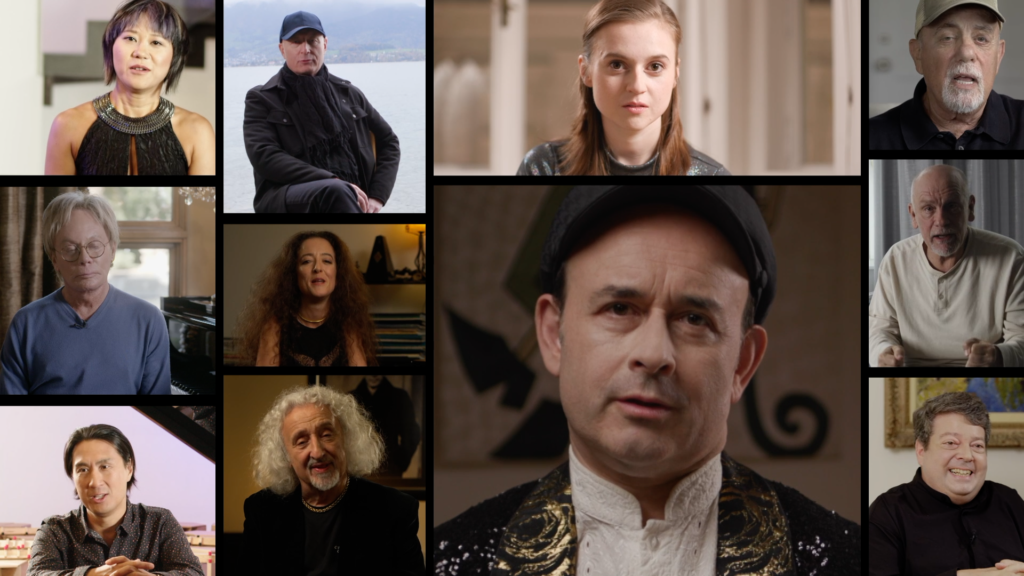
What is new is the context. The SVOD platform Ovation Arts is energizing its audience with a sweeping slate of performances, many featuring the distinctive sound of Rachmaninoff. The documentary “Rachmaninoff Revisited” (Watch the documentary here), directed by Peter Rosen, reframes the composer not as a relic of Romanticism, but as a figure entirely at home in a visual, digital culture. Built around interviews with leading musicians, and appearances by Yuja Wang, Lang Lang, Pletnev, Tsujii, Federova and more, the documentary provides authority, while the performances provide gorgeous immediacy. Together, they collapse the distance between analysis and experience.
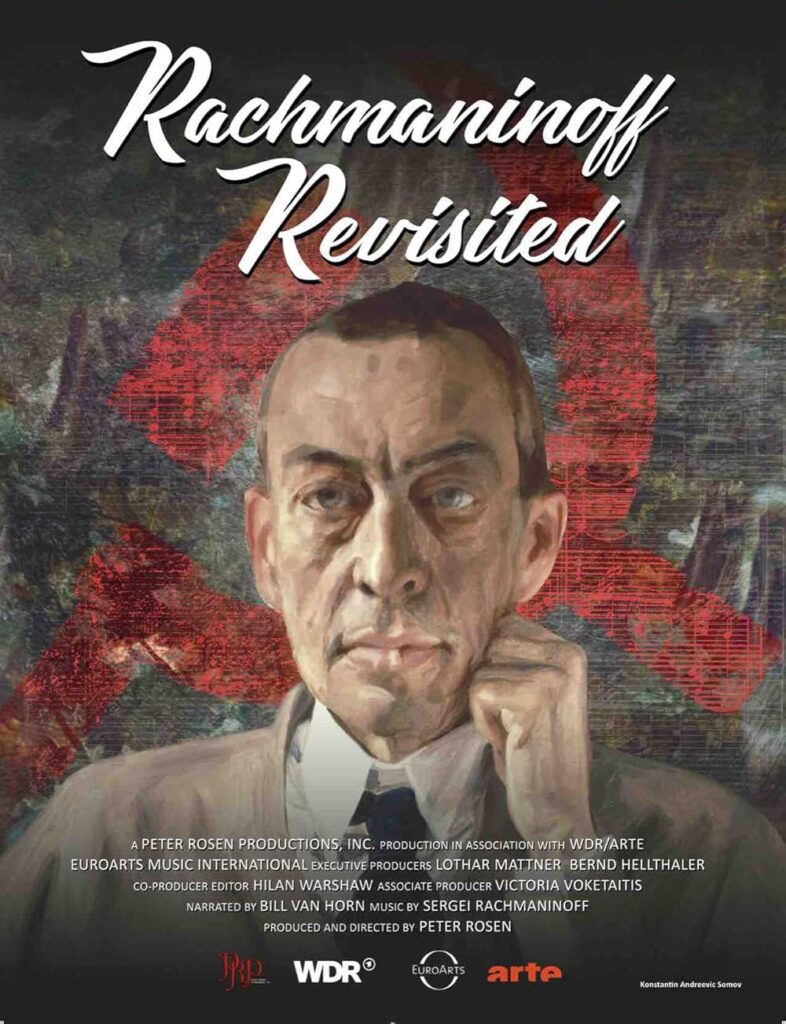
At the center of any strong Rachmaninoff programming is On a Theme of Paganini, his 1934 rhapsody for piano and orchestra. Its 24 variations, culminating in the now iconic 18th, demonstrate exactly why his music travels so effectively today. The structure is rigorous, but the impact is immediate. In a culture that rewards emotional clarity over intellectual framing, that balance is decisive.
Ovation’s programming pushes further. The Russian Rhythms Concert situates Rachmaninoff within a broader cultural identity, foregrounding the rhythmic drive and melodic expansiveness that define his sound. Meanwhile, The Miserly King, also known as The Miserly Knight, a rarely performed opera first staged at the Bolshoi Theatre in 1906, offers something less expected, restraint, psychological tension, and a reminder that Rachmaninoff’s range extends well beyond the familiar.
A focus on lesser-known compositions is especially relevant today. It reflects a shift in how classical music is being packaged and understood. Familiar works draw audiences in, but lesser-known works deepen engagement. The result is that streaming platforms are no longer simply presenting the repertoire, they are shaping how it is perceived.
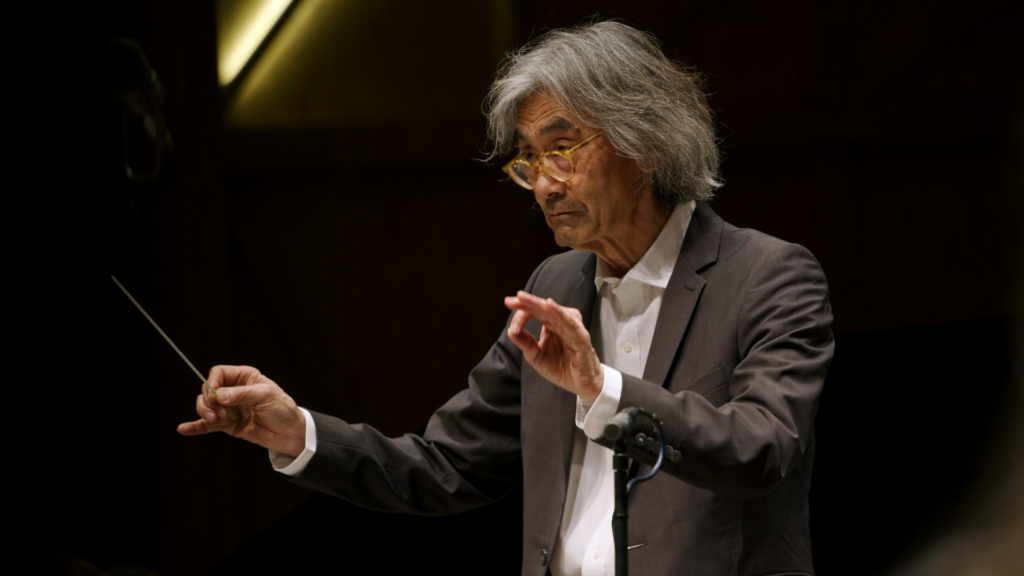
Rachmaninoff does not need to be updated for this world. He fits it. His music, once framed as the final chapter of Romanticism, now reads as a blueprint for how classical music survives in the digital age. Through Rachmaninoff Revisited and its accompanying performances, Ovation Arts is not simply documenting that shift, it is accelerating it.
“Music is enough for a lifetime, but a lifetime is not enough for music”
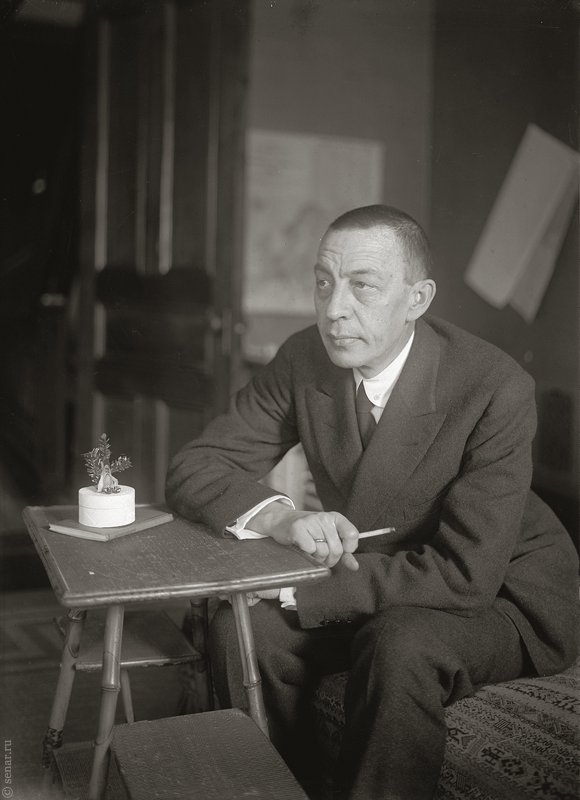
Rachmaninoff sensed there was eternal life in music and explained, “The composer’s music should express the country of his birth, his love affairs, his religion, the books that have influenced him, the pictures he loves.” He liked the enduring relevance of musical beauty which is the power that lasts today. Prophetically, Rachmaninoff explained, “Music is enough for a lifetime, but a lifetime is not enough for music.”