
Why Bach’s Passions Make Easter More Meaningful

Why Bach’s Passions Make Easter More Meaningful
From the St. Matthew Passion to the St. John Passion, Bach’s monumental works remain among the most powerful classical music for Easter and Holy Week.
Every Easter season has its traditions. Some families dye eggs while others gather around the table for Sunday lunch. However, many Americans celebrate Easter every year with Bach’s Passions. Indeed, returning to the Passion settings of Johann Sebastian Bach has become a meaningful annual ritual that guarantees a classic Easter holiday.
If you want to guarantee a better Easter, start with Bach.
Each spring, listeners searching for the best choice in classical music love to return to the same masterpieces: Bach’s St. Matthew Passion and St. John Passion. These monumental works are defining pieces of Holy Week music, performed by orchestras and choirs around the world for nearly three centuries.
If you’ve never experienced a Bach Passion, then the Easter season is the perfect moment to begin.
➡ Watch a performance of Bach’s St John’s Passion from the Philharmonie Berlin: Bach: The St. John Passion – Ovation Arts
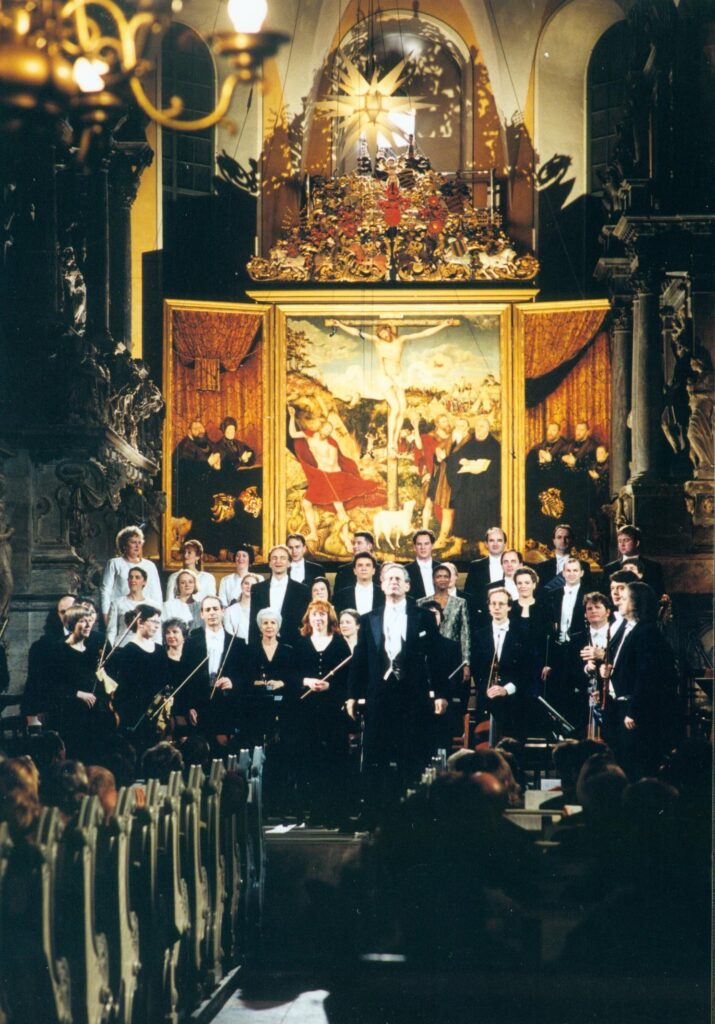
The Music of Holy Week
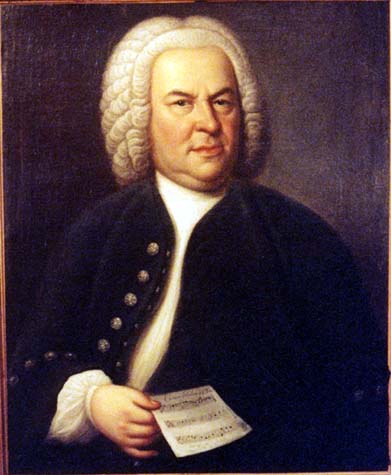
Johann Sebastian Bach composed his Passion settings in the early 18th century while working as cantor in Leipzig, Germany. One of his responsibilities was to provide music for the city’s major church services, including Good Friday during Holy Week.
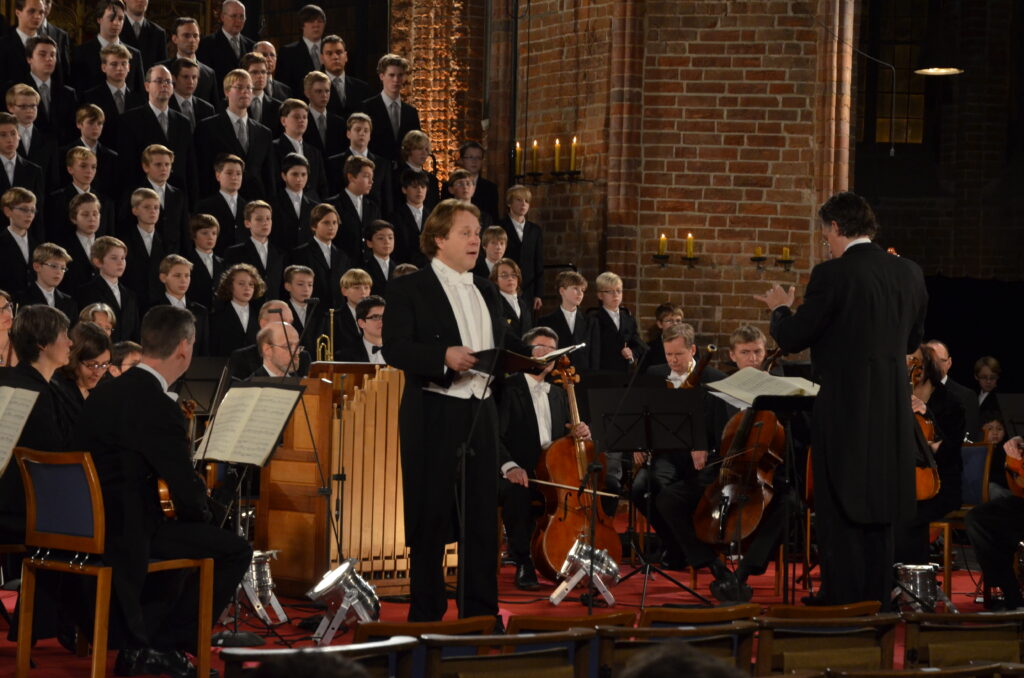
Traditionally, the Passion story, which is an account of Christ’s final hours, was read during the religious service. Bach transformed this narrative into a vast musical drama. Choirs become the crowd. Soloists embody the voices of the Gospel story. Then the orchestra shapes an emotional landscape that moves from tension and sorrow toward reflection and hope.
The result is some of the most profound sacred music ever written; music that continues to define the sound of Easter.
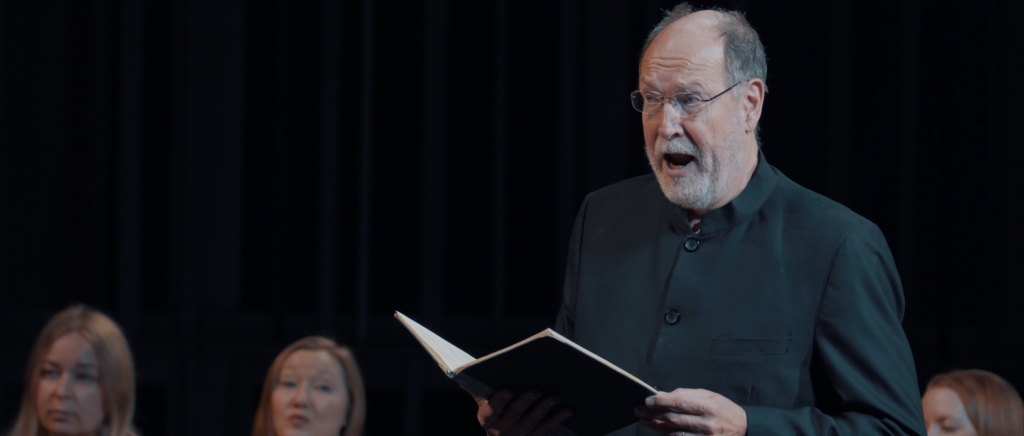
The Epic Scale of the St. Matthew Passion
First performed in the late 1720s, the work unfolds on an extraordinary scale, often lasting nearly three hours in performance. Bach scored the piece for two choirs and two orchestras, creating moments of breathtaking musical grandeur.
And the work is just as powerful in its quieter moments. In the famous aria “Erbarme dich,” a solo violin and voice create one of the most moving passages in all of classical music.
Experiencing the St. Matthew Passion in performance reveals the full emotional power of Bach’s storytelling.
➡ Watch a performance of Bach’s early music: Early Music from Saanen Church – Ovation Arts
Did You Know? Three Surprising Facts About Bach’s Passions
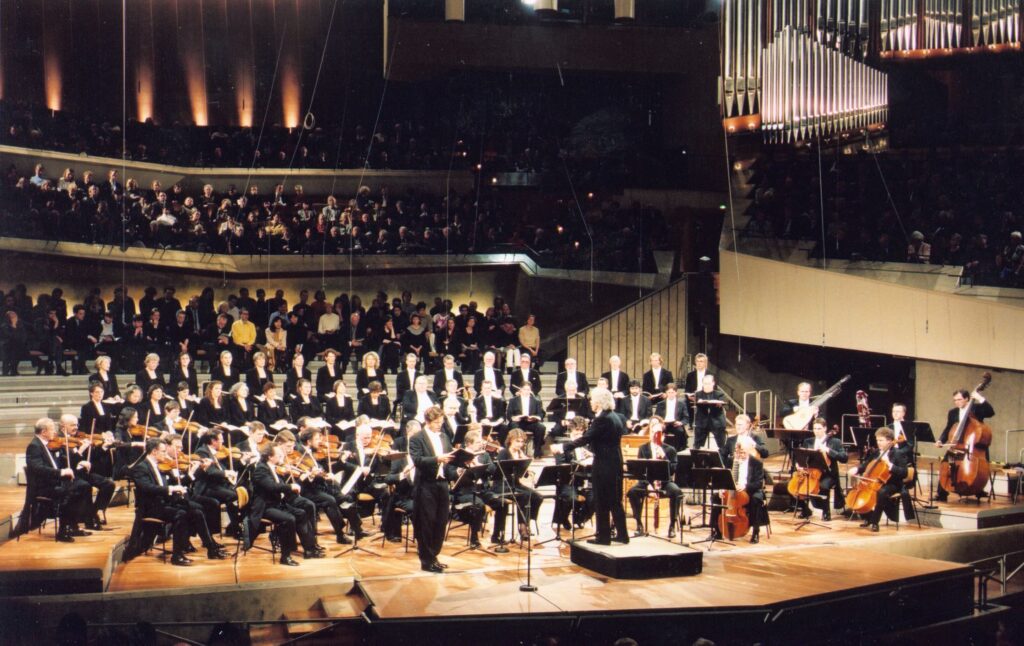
- Incredible as it sounds, the St. Matthew Passion was nearly forgotten.
After Bach’s death in 1750, many of his works disappeared from concert life. Fortunately, the St. Matthew Passion was rediscovered in 1829 when Felix Mendelssohn conducted a famous revival that helped launch a modern appreciation of his music. - Bach designed the work on a monumental scale.
The St. Matthew Passion uses two choirs and two orchestras which was unusual and ambitious, even by Baroque standards. Large sacred works sometimes used double choirs but Bach used the structure in a dramatically sophisticated way. It wasn’t just about the size of the choir. Instead, the performers are divided into two separate groups, each functioning as its own ensemble. Bach uses each choir to create a dramatic musical conversation. - Only two Passion settings survive today.
Bach probably wrote several Passion works, but only the St. Matthew Passion and the St. John Passion have survived intact.
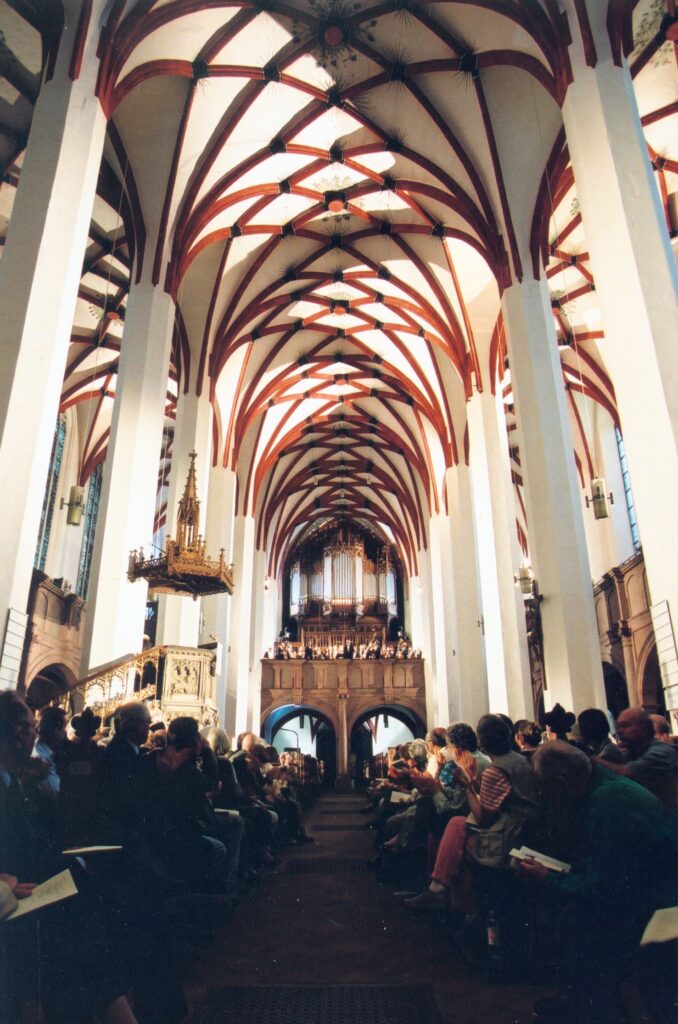
The Drama of the St. John Passion
If the St. Matthew Passion is expansive and reflective, the Bach St. John Passion is its dramatic counterpart.
Premiering in 1724, the work is shorter but far more urgent. Its choruses surge with dramatic energy, and the storytelling moves with remarkable intensity.
Many listeners describe the St. John Passion as operatic in its power. The music pushes relentlessly forward, drawing listeners into the emotional drama of the Passion story.
Together, the St. Matthew Passion and St. John Passion stand as two of the greatest works of Easter classical music ever written.
➡ Watch a gorgeous 2002 performance recorded in Paris: Bach: The St. John Passion – Ovation Arts
The Best Classical Music for Easter
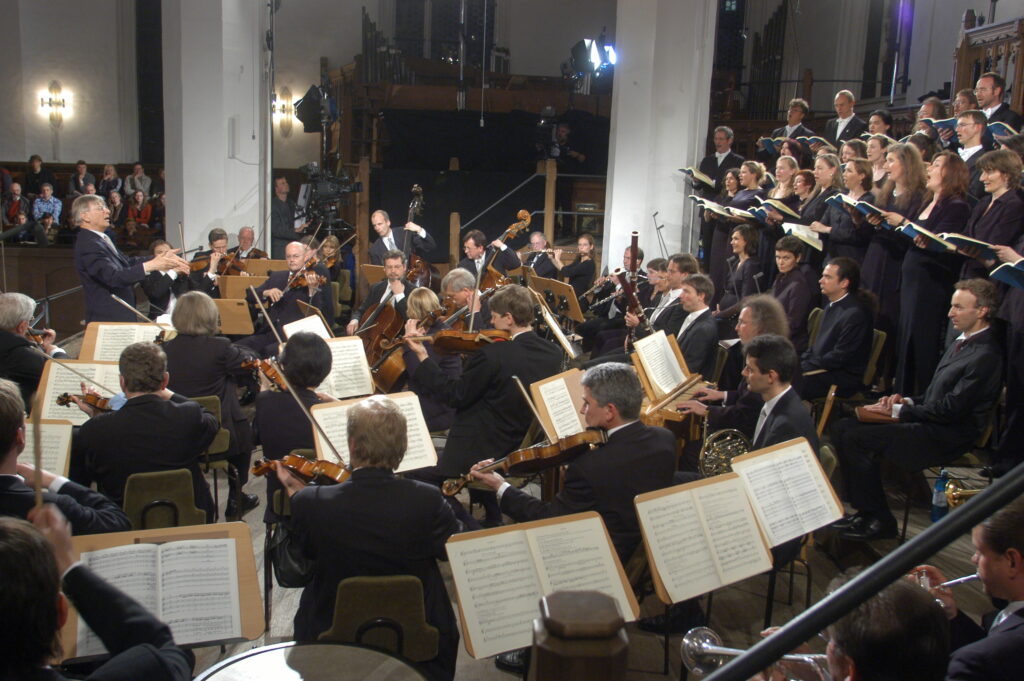
When people search for classical music for Easter, Bach’s Passions almost always top the list.
These works have become central musical traditions of Holy Week, performed every spring by orchestras, choirs, and concert halls across Europe and the United States.
Their combination of dramatic storytelling, powerful choruses, and deeply moving arias makes them some of the most unforgettable sacred works in the classical repertoire.
➡ Watch Bach’s Magnificat here: J.S. Bach’s Magnificat and the Magnificat of Johann Kuhnau
Discovering Bach Through Performance
One of the joys of experiencing Bach’s music today is the range of interpretations available.
Different conductors and ensembles bring unique perspectives to these masterpieces, some emphasizing their spiritual reflection, others highlighting their dramatic intensity.
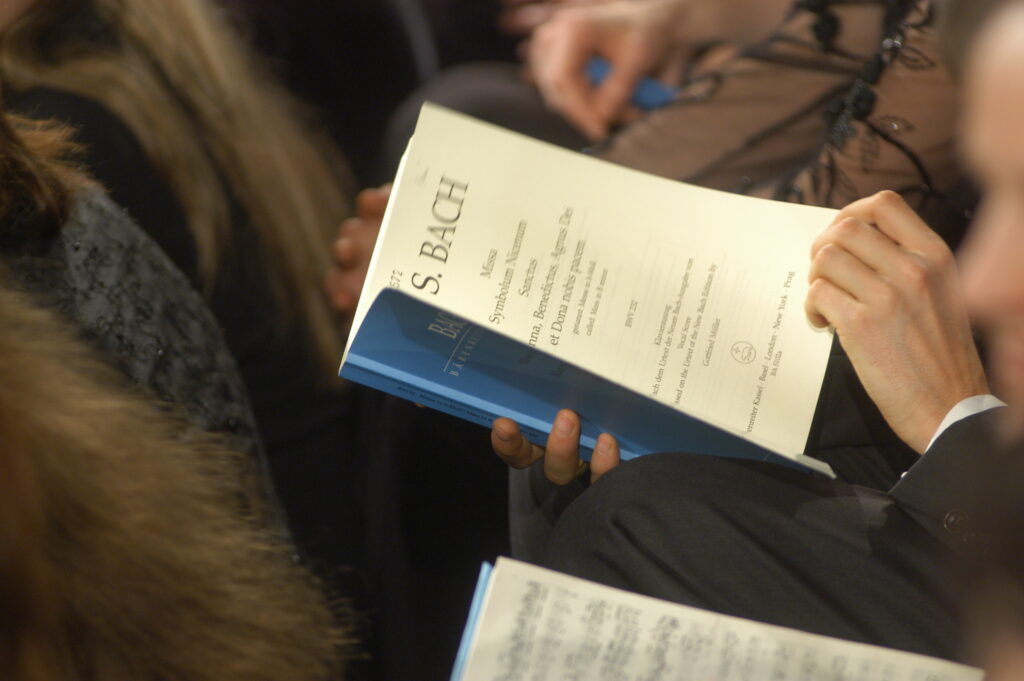
Streaming performances on a subscription video on demand platform allow viewers to experience every detail of the music, from the sweeping choral scenes to the intimate arias that pause the narrative. And all without audience noise, advertising or other kids of discomfort.
➡ Watch Bach’s Mass in B Minor here: J. S. Bach: Mass in B minor – Ovation Arts
Quick Guide: Bach Works to Hear During Holy Week
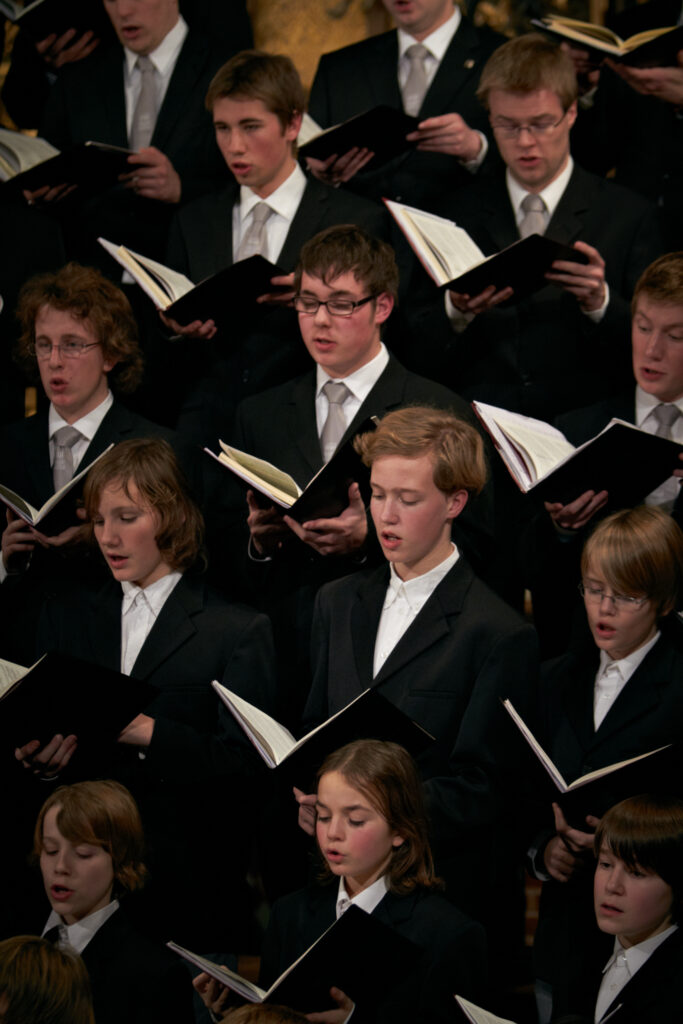
If you’re exploring Easter classical music, these three masterpieces offer the perfect introduction to Bach’s sacred music.
St. Matthew Passion
Bach’s largest and most famous Passion setting, featuring monumental choruses and deeply emotional arias.
St. John Passion
A shorter, more dramatic Passion work with powerful storytelling and urgent musical energy.
Mass in B Minor
Although not written specifically for Easter, this towering sacred composition represents the full grandeur of Bach’s spiritual music.
➡ Learn more about Bach with this great documentary: Bach – Discovering Masterpieces of Classical Music: Season 1 – Ovation Arts
Related Watching on Ovation Arts
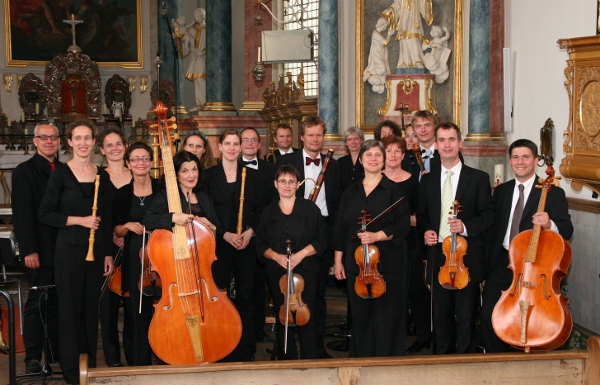
If Bach’s Passion music has sparked your curiosity this Easter season, these performances on Ovation Arts offer a wonderful way to explore the composer’s extraordinary sacred works.
Bach: St. Matthew Passion
One of the greatest works in the history of classical music, combining monumental choruses with deeply moving solo arias.
Bach: St. John Passion
A gripping and dramatic Passion setting that brings the story of Holy Week vividly to life.
Discover More Sacred Music
Explore additional concerts, documentaries, and performances celebrating Bach and the great sacred traditions of classical music.
➡ Enjoy Bach’s Christmas Oratorio here: Bach’s Christmas Oratorio – Ovation Arts
FAQ: Bach and Easter Music
Why is Bach’s Passion music associated with Easter?
Bach composed the St. Matthew Passion and St. John Passion for Good Friday services during Holy Week in Leipzig. Today these works are widely considered the most important classical music for Easter.
Which Bach Passion is most famous?
The St. Matthew Passion is often regarded as Bach’s greatest work and is performed around the world during the Easter season.
What classical music should you listen to at Easter?
Many listeners return to Bach’s sacred masterpieces—especially the St. Matthew Passion, St. John Passion, and the Mass in B Minor—as part of their Easter tradition.
➡ See how Bach has impacted classical music with this emotive documentary: Living Bach – Ovation Arts
A Better Easter, Guaranteed
In the end, Bach’s Passions do more than accompany Easter traditions. They enrich them. They give the season a soundtrack worthy of its emotional depth.
So, if you’re looking for a new tradition this year, set aside an evening to watch one of these masterpieces. Dim the lights, turn up the volume, and let Bach guide you through one of the most powerful musical journeys ever written.
Easter may never sound the same again.