
Beyond Perfection: The Future of Piano Competitions

Beyond Perfection: The Future of Piano Competitions
Competitions that Reward Caution Over Character
For generations, the great piano competitions have promised something almost irresistible: the discovery of genius under pressure. A young pianist walks onstage, sits at a concert grand, and in the span of a few rounds may be transformed from gifted student into international artist. For audiences who love the piano concerto and who know the particular electricity of a Rachmaninoff Third, a Brahms First, a Prokofiev Third, or a Beethoven “Emperor” played not merely accurately but with conviction, competitions can still offer a rare thrill.

But a question has been growing louder in the classical world: are competitions rewarding the right things?
Sir Steven Hough – pianist, composer, writer, and new Artistic Director of The Leeds International Piano Competition 2027
The announcement that the Leeds International Piano Competition will be relaunched under the artistic direction of Sir Stephen Hough is significant because it speaks directly to that question. Founded in 1963, Leeds has long been one of the most respected piano competitions in the world, associated with artists such as Radu Lupu and Murray Perahia, and with finalists including Mitsuko Uchida and András Schiff. Its 2027 edition, however, is being reshaped around a more ambitious idea: not simply to test pianists, but to discover artists. And that distinction matters.
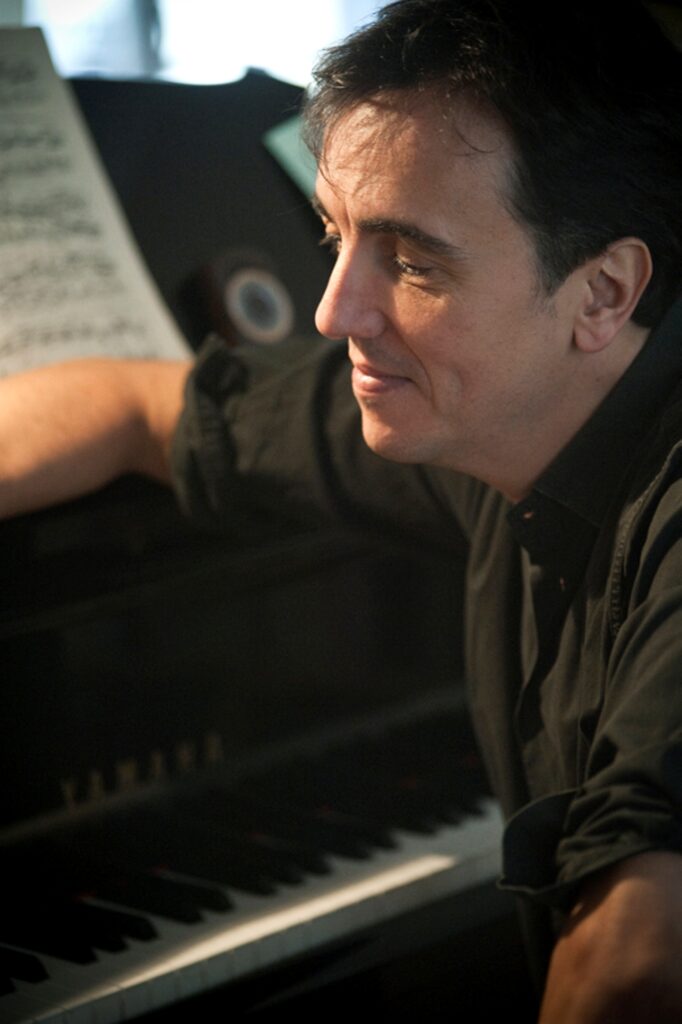
For the 2027 competition, Leeds is raising the upper age limit to 35, removing prescribed repertoire, continuing anonymous pre-selection, and allowing competitors far greater freedom to design the programs that best reveal who they are. The competition’s own statement is unusually direct: “Many competitions are designed to test competitors. Leeds is designed to discover artists.”
https://my.ovationarts.tv/david-fray-at-pianomania
No Prescribed Composers, Periods or Styles
In practical terms, that means pianists will no longer be forced through a narrow obstacle course of required styles and set pieces. Instead, they will be able to choose repertoire across periods, composers, and aesthetics. The official 2027 rules state that there are “no prescribed composers, periods or styles,” and that competitors are free to select repertoire for all stages of the competition.
For listeners, this could be more than an administrative change. It may alter what we actually hear. A competition built around prescribed repertoire tends to reward the pianist who can do everything respectably well. That is no small achievement. But concert life rarely asks an artist to be a neutral surveyor of the canon. Audiences return to the hall for something more elusive: a point of view. We remember the pianist who makes a familiar concerto feel newly inevitable, who draws unexpected poetry from a Schubert sonata, who understands the architecture of Brahms without turning him into granite, who can make a Chopin nocturne sound intimate rather than decorative.
Perfection, in this context, is only the beginning. It is not the destination, and the American classical audience understands this. The US has a deep history with piano competitions and concerto culture. In 1958, Van Cliburn, a 23-year-old Texan, won the first International Tchaikovsky Competition in Moscow at the height of the Cold War. The competition had been designed, in part, to demonstrate Soviet cultural superiority after the launch of Sputnik. Instead, Cliburn’s performances of Tchaikovsky’s Piano Concerto No. 1 and Rachmaninoff’s Piano Concerto No. 3 became a cultural event. The Cliburn organization confirmed that his finale performance earned an eight-minute standing ovation.
What We Learned from Van Cliburn
That moment was not merely about accuracy. It was about communication. Cliburn’s victory mattered because audiences heard grandeur, warmth, risk, and humanity. It was a political story, certainly, but it was also a musical one: a reminder that the greatest performances do not simply survive scrutiny; they create allegiance.
Today, the competition landscape is very different. Performances are streamed worldwide. Viewers can compare finalists instantly. Young pianists arrive with extraordinary technical command, often shaped by conservatory training, international masterclasses, and the endless self-surveillance of the digital age. The technical floor is higher than ever. The danger is that the artistic ceiling may become lower if competitions train musicians to avoid mistakes more than to say something.
https://my.ovationarts.tv/lucas-debargue-plays-faure-and-ravel-1
This is where the Leeds changes feel timely. Sir Stephen Hough has described competitions as sometimes feeling like “a bunch of tests,” and has argued that Leeds should allow musicians to show “who they are.” He has also questioned the idea that a young artist must rush into competition before an arbitrary age limit closes the door. The 2027 Leeds upper age limit of 35 sends a different message: artistic maturity takes time.
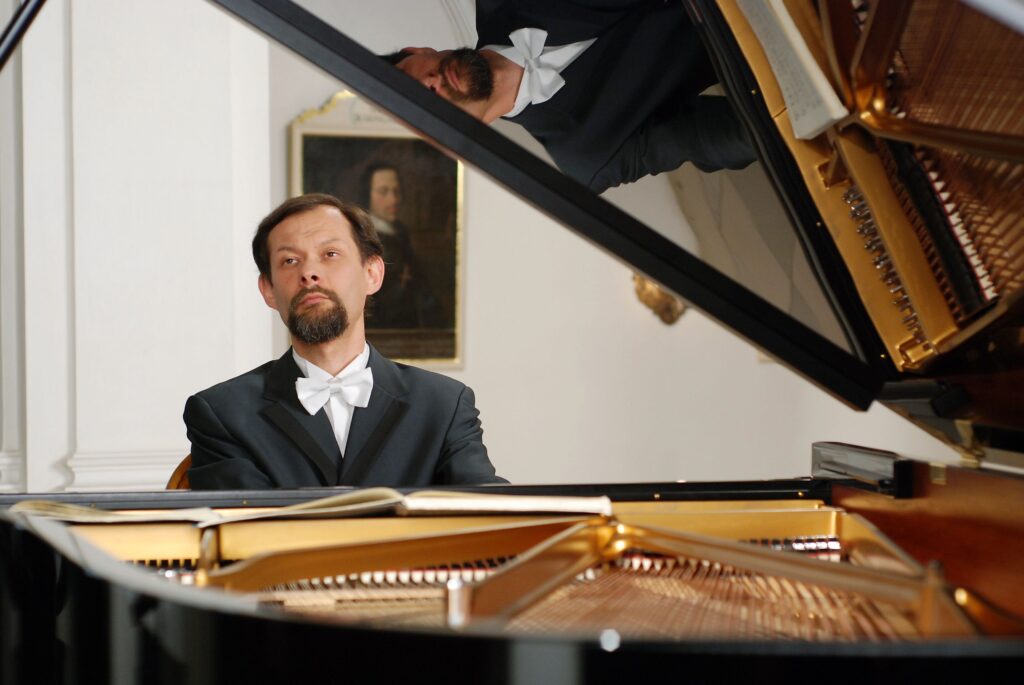
Artistic maturity matters because audiences can hear the difference. Technical brilliance may win a round, but it is depth, personality, and interpretive conviction that bring listeners back. And in the United States, bringing listeners back has become one of classical music’s most pressing challenges.
Bringing Listeners Back to Classical Music
This is not an abstract concern. The U.S. classical ecosystem is recovering from a profound disruption in live attendance. According to the National Endowment for the Arts’ 2022 Survey of Public Participation in the Arts, only 4.6 percent of U.S. adults attended a classical music performance in 2022, down from 8.6 percent in 2017, a 47 percent decline. Opera attendance fell from 2.2 percent to 0.7 percent over the same period.
Some of that decline reflects the long shadow of the pandemic, but the numbers are still sobering. They suggest that classical institutions cannot rely on reverence alone. They must offer audiences a reason to care now.
On a positive note, digital engagement shows that the appetite for great piano playing has not disappeared. The 2022 Van Cliburn International Piano Competition became one of the most widely watched classical events in recent memory. The Cliburn reported more than 40 million webcast views in 170 countries, with Yunchan Lim’s performance of Rachmaninoff’s Piano Concerto No. 3 reaching 1.2 million views in less than 24 hours.
That statistic should give presenters pause. A 21st-century audience will watch a streaming performance of Rachmaninoff concerto, if the performance has urgency. The issue is not that audiences have lost the ability to listen deeply. The issue is whether institutions are giving them performances that feel necessary.
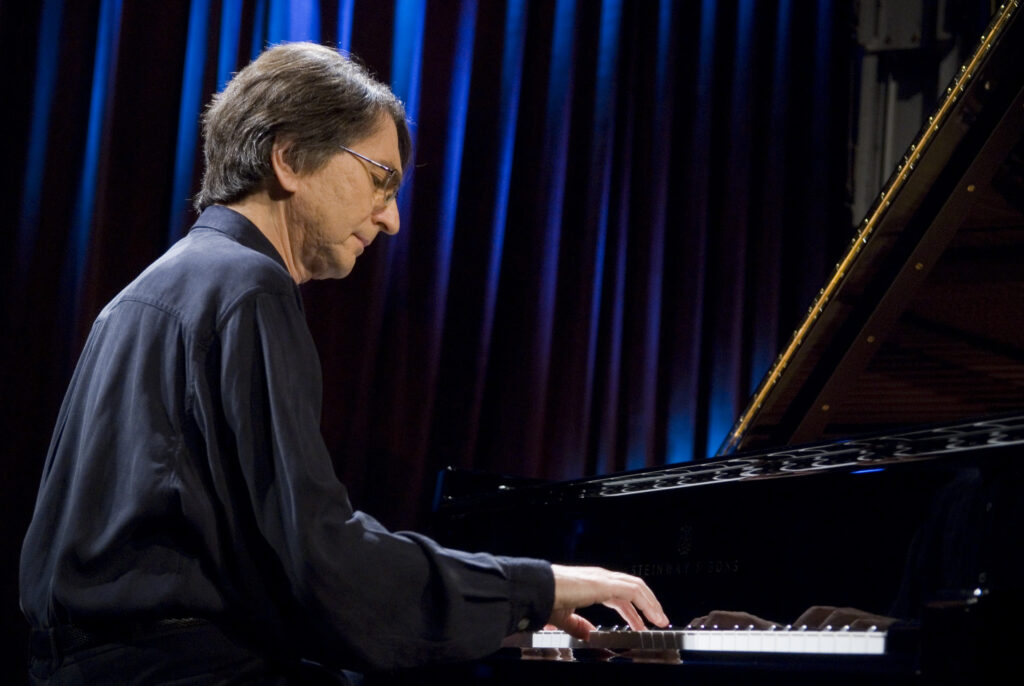
They are not merely professional gateways for young artists. They shape taste. They signal what the classical world values. If juries reward spotless, cautious playing, the next generation learns to hide. If competitions reward imagination, structure, courage, and individuality, young musicians can be encouraged to become interpreters rather than contestants.
So, Competitions Matter
The concerto round is especially revealing. A pianist can play all the notes of Tchaikovsky, Rachmaninoff, Beethoven, or Prokofiev and still fail to make the orchestra breathe with them.
Bach’s Goldberg Variations with Koroliov at Bachfest – Ovation Arts
Concerto playing is not simply solo playing with accompaniment. It is rhetoric, theater, chamber music, architecture, and temperament. It requires command, but also generosity. It asks whether a pianist can lead without bullying, sing without sentimentality, and take risks without losing proportion.
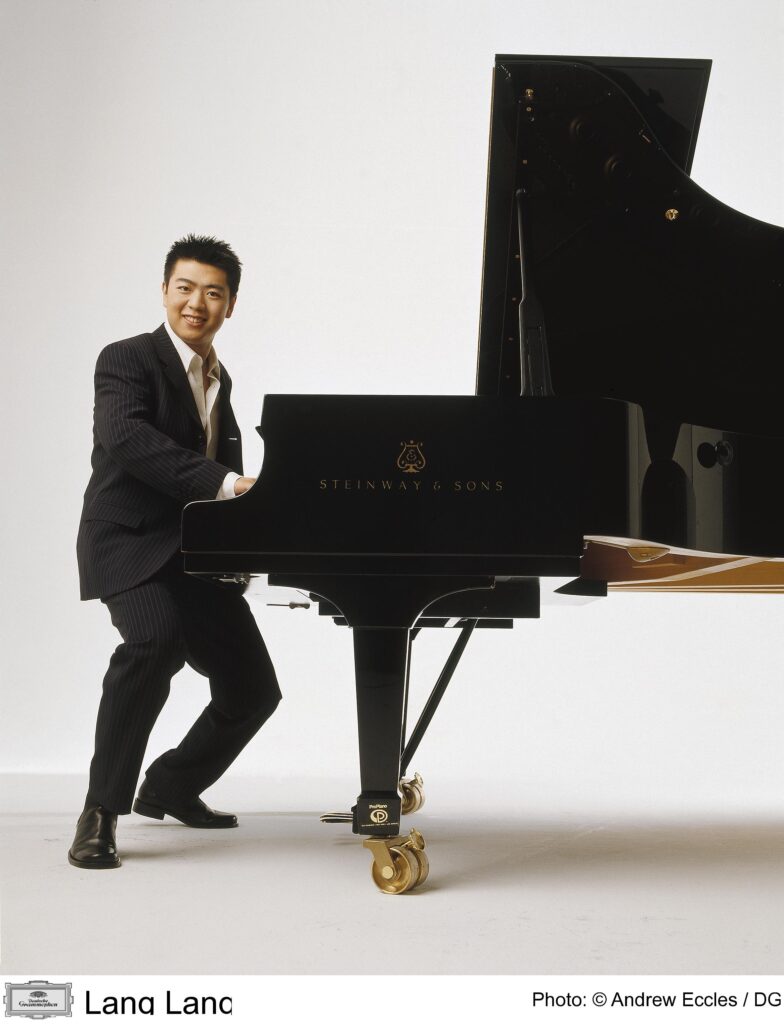
For the classical concertgoer, this is the real drama of a piano competition: not “Who made the fewest mistakes?” but “Who has something to say with this music?” There are signs that major competitions are beginning to understand this. Leeds will introduce or emphasize prizes not only for overall placement, but also for contemporary music, audience response, encore playing, and a community-focused project through its Leeds Piano Trail Prize. These categories may sound modest, but they point toward a broader definition of musicianship. A modern concert artist must communicate across repertoire, speak to living audiences, and imagine a role beyond the recital platform.
Quite the opposite. True artistry requires technique so secure that it becomes invisible. No one wants a competition in which personality becomes an excuse for shallow sound, or structural incoherence. Fortunately, the best pianists do not choose between discipline and imagination. They possess both.
This Does Not Mean Standards Should be Lowered
The problem is that perfection, when treated as the highest goal, can become strangely unmusical. A flawless performance may impress yet leave no trace but a great performance may include a rough edge and still and still leave the room transformed. The history of classical music is full of artists whose greatness lies not in a generalized correctness, but in unmistakable identity: Horowitz’s volatility, Rubinstein’s warmth, Argerich’s fire, Uchida’s inwardness, Perahia’s refinement, Sokolov’s gravity.
https://my.ovationarts.tv/lang-lang-debut-at-carnegie-hall
Competitions cannot manufacture such qualities. But they can either make room for them or squeeze them out. Classical music does not need to become lighter to become relevant. It needs to become more vivid.
That is the promise behind the Leeds relaunch. At its best, it is not a rejection of rigor, but a refinement of rigor. It asks whether the competition stage can become less like an examination room. It recognizes that the future of classical music will not be secured by producing pianists who can merely survive comparison. It will be secured by artists who make audiences lean forward in breathless wonder.
Major Competition Winner
For those who love the piano concerto, this is very exciting. https://my.ovationarts.tv/beethoven-piano-sonatas/videos/beethoven-piano-sonata-no-8
The concerto remains one of the great public forms in music: the individual voice in dialogue with a larger world. Every generation needs pianists who can renew that dialogue. Not pianists who merely conquer the instrument, but pianists who use it to reveal something unique.
The problem was never that young pianists lack feeling. Many arrive at competitions with intense musical instincts, distinctive personalities, and extraordinary emotional range. The danger is that the competition environment can teach them to edit those instincts down and to choose an interpretation least likely to offend, the tempo least likely to unravel, the sound least likely to be questioned. What may disappear is not passion itself, but risk: the sense that a performer is willing to reveal something unguarded.
Pianist as Risk Taker and Virtuoso
If competitions are finally moving beyond perfection, it is because perfection was never enough. The greatest performances do not simply avoid error; they alter the listener’s sense of what the music can be. They transform the player, who must risk something personal; the audience, who must be drawn from admiration into feeling; and, on very rare nights, the hall itself, which seems to hold its breath differently. That is why the new direction at the Leeds International Piano Competition feels so exciting. It asks not only who can play flawlessly, but who can make us listen differently.
Explore Ovation Arts’ piano performances, and hear exquisite artists balancing brilliance, individuality, and risk.